


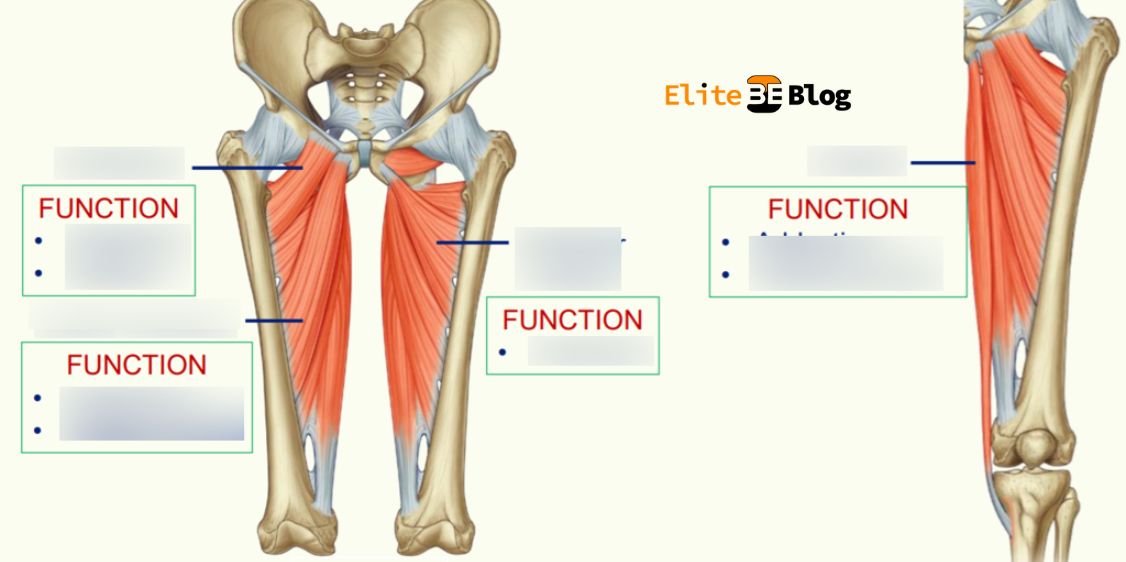
The adductor hiatus is a critical structure in thigh anatomy, forming an opening in the adductor magnus muscle. This passageway allows major blood vessels and nerves to travel from the anterior thigh to the posterior leg, making it highly significant in femur procedures, knee procedures, and lower leg procedures. Understanding its muscular borders, location, and the structures it transmits is essential for surgeons, anesthesiologists, and physiotherapists.
The adductor canal, also known as Hunter’s canal or subsartorial canal, ends at the adductor hiatus, creating a narrow conical tunnel that guides the femoral artery, femoral vein, saphenous nerve, and the nerve to vastus medialis. These structures continue into the popliteal artery and popliteal vein, highlighting the clinical relevance of this passageway in both surgical and non-surgical interventions.
Anatomy of the Adductor Hiatus
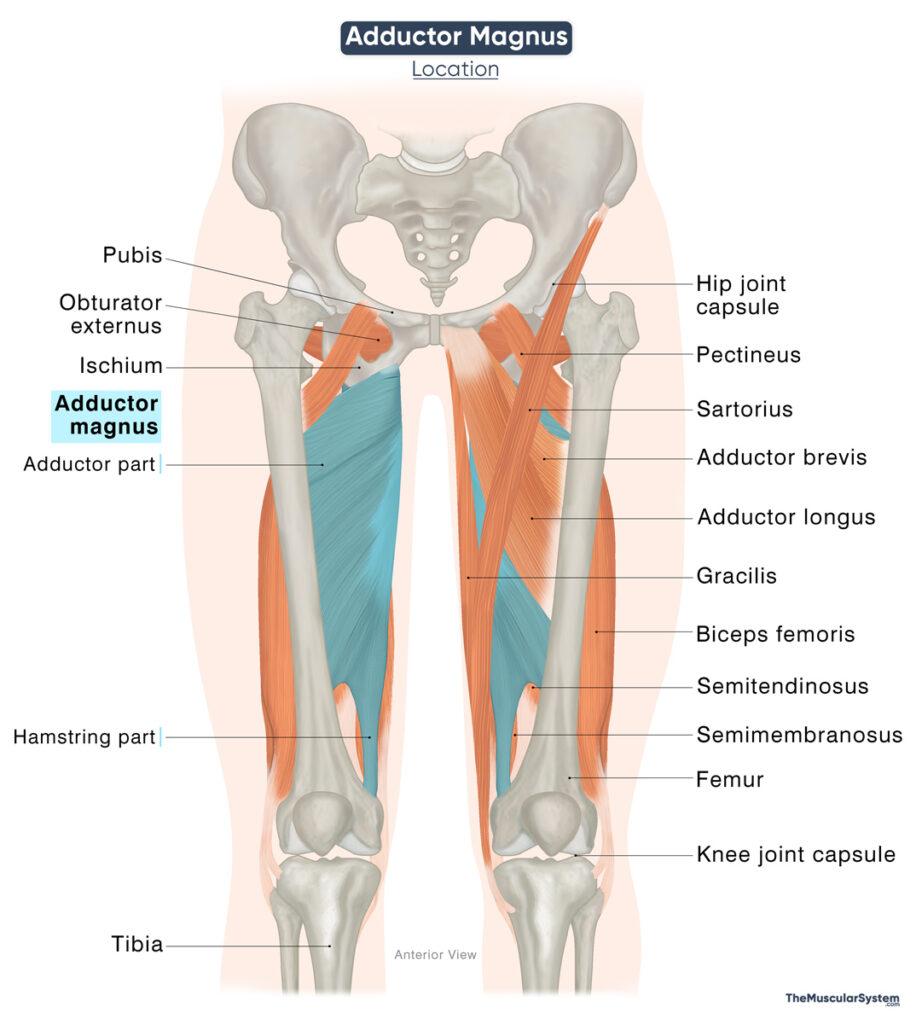
The adductor hiatus is an oval opening in the distal part of the adductor magnus, near the posterior leg. It connects the adductor canal with the popliteal fossa, allowing smooth passage of the neurovascular bundle. The hiatus is bordered by muscle fibers from the adductor magnus itself, while the adductor longus, vastus medialis, and sartorius muscle provide anatomical landmarks for clinicians.
The femoral artery and femoral vein pass through this narrow conical tunnel, becoming the popliteal artery and popliteal vein. The saphenous nerve, which is the largest cutaneous branch of the femoral nerve, also passes close to this site, providing sensory innervation to the medial knee and lower leg. This makes the adductor hiatus a crucial point for both vascular and nerve-related interventions.
Understanding the muscular borders and the relationship between the adductor canal and the hiatus is vital for femur procedures and knee procedures. Precise knowledge helps avoid complications like entrapment or occlusion of the femoral artery, ensuring safe and effective treatment for patients.
Relationship Between the Adductor Canal and the Adductor Hiatus
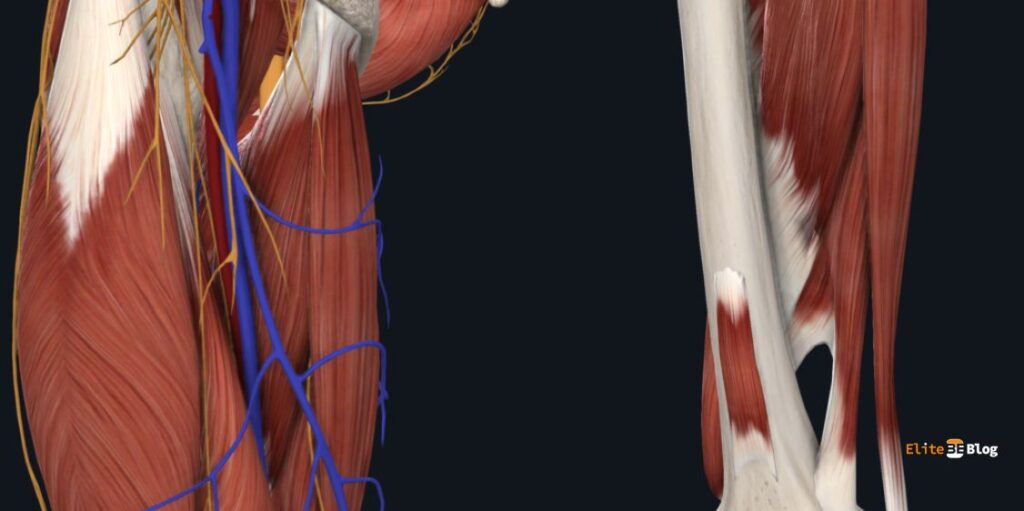
The adductor canal is a narrow conical tunnel extending from the apex of the femoral triangle to the adductor hiatus. Also referred to as Hunter’s canal or the subsartorial canal, it serves as a passageway for the femoral artery, femoral vein, saphenous nerve, and the nerve to vastus medialis.
This tunnel allows structures to move seamlessly from the anterior thigh to the posterior leg, ending at the adductor hiatus, where the vessels transform into the popliteal artery and popliteal vein. The sartorius muscle and vastus medialis act as anatomical landmarks during peripheral nerve block procedures, helping anesthesiologists accurately deliver local anaesthetic for sensory anaesthesia.
The adductor canal also protects the neurovascular bundle with its muscular borders while allowing mobility of the distal thigh. Muscle hypertrophy or compression within this canal can lead to compression syndrome, a rare condition seen in young males causing claudication or sensory deficits. This highlights the clinical importance of the adductor as a critical exit point for neurovascular structures.
Contents of the Adductor Hiatus
The adductor hiatus primarily transmits the femoral artery, femoral vein, and saphenous nerve, with occasional involvement of the nerve to vastus medialis. The femoral vessels exit through the hiatus and continue as the popliteal artery and popliteal vein, which supply blood to the distal thigh, medial knee, and lower leg.
The saphenous nerve, a major cutaneous branch, can be targeted for peripheral nerve block, providing sensory anaesthesia during knee procedures or femur procedures. Clinicians use the muscular borders of the adductor canal and adductor hiatus as anatomical landmarks for safe and precise local anaesthetic administration.
Entrapment of the neurovascular bundle at the hiatus can result in adductor canal compression syndrome, characterized by occlusion of the femoral artery or irritation of the saphenous nerve, leading to pain, claudication, or sensory deficits along the medial knee and lower leg. Awareness of these thigh anatomy details is essential for diagnosis and surgical planning.
Clinical Relevance of the Adductor Hiatus
Adductor Canal Block
The adductor hiatus is an important site for the adductor canal block, a procedure where local anaesthetic is injected to achieve sensory anaesthesia. This technique primarily targets the saphenous nerve and sometimes the nerve to vastus medialis, providing pain relief during knee procedures, femur procedures, or lower leg procedures.
The sartorius muscle and femoral artery are used as anatomical landmarks to locate the adductor hiatus, ensuring safe administration. Patients benefit from pain control while retaining muscle function, allowing early mobility and rehabilitation. Knowledge of the narrow conical tunnel of the adductor canal and its termination at the hiatus is essential for optimal block efficacy.
Adductor Canal Compression Syndrome
Adductor canal compression syndrome is a rare condition where the neurovascular bundle is entrapped within the adductor canal or at the adductor hiatus. Muscle hypertrophy, especially of the vastus medialis, often triggers the syndrome. Young males are most commonly affected due to their high activity levels.
Symptoms include claudication from femoral artery occlusion or sensory disturbances along the medial knee and lower leg due to saphenous nerve compression. Diagnosis requires precise understanding of thigh anatomy, including the adductor canal, adductor hiatus, and the neurovascular bundle. Surgical decompression may be necessary to relieve symptoms.
Vascular and Orthopedic Significance
The adductor is also important in vascular surgery. Since the femoral artery becomes the popliteal artery at this point, any trauma or occlusion can compromise blood flow to the distal thigh, medial knee, and lower leg. Surgeons performing femur procedures or knee procedures must be aware of the muscular borders and anatomical landmarks around the adductor hiatus to prevent complications.
Must Read The Article: JOI Meaning: What It Really Means and Why You Should Know It
(FAQs) About adductor hiatus
1. What is the adductor hiatus?
The adductor hiatus is an opening in the adductor magnus that allows the femoral artery, femoral vein, and saphenous nerve to pass from the thigh to the popliteal fossa.
2. What is the difference between adductor canal and adductor hiatus?
The adductor canal is a narrow conical tunnel in the thigh transmitting vessels and nerves, while the adductor hiatus is its distal opening in the adductor magnus.
3. Which nerve passes through the adductor hiatus?
The saphenous nerve and occasionally the nerve to vastus medialis pass through or near the adductor hiatus.
4. Who is the Hunter’s canal named after?
Hunter’s canal is named after John Hunter, an 18th-century Scottish surgeon and anatomist.
5. Which muscle is called the honeymoon muscle?
The sartorius muscle is often called the honeymoon muscle because of its long, thin shape and crossing course over the thigh.
Related Topics: