


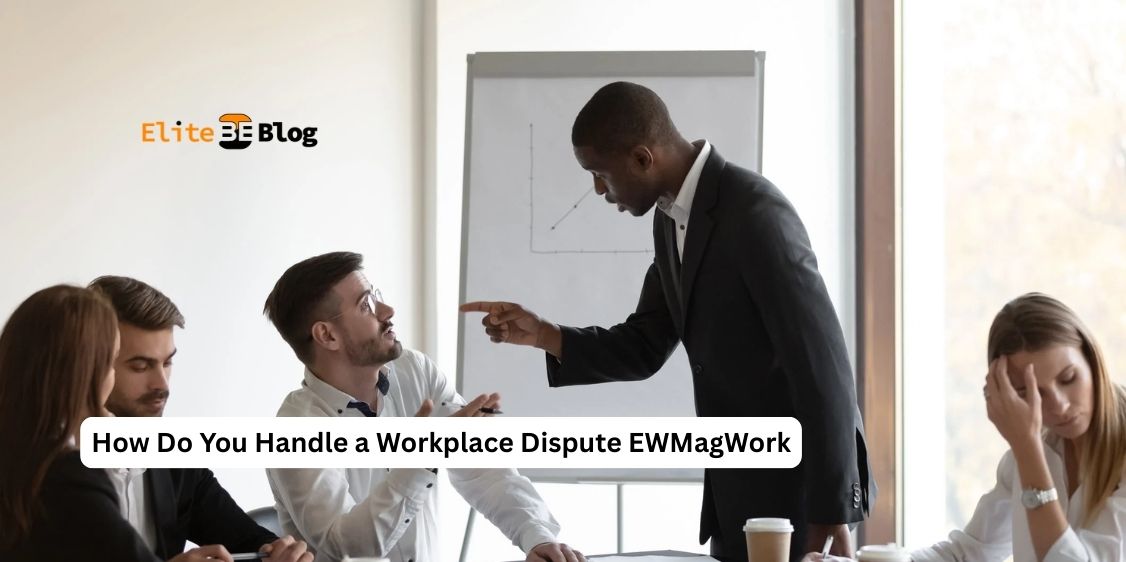
Workplace disputes are inevitable. Whenever you bring together different personalities, skill sets, cultural backgrounds, and goals under one roof, disagreements are bound to happen. The real question isn’t whether conflict will arise — it’s how you handle it. If you’re searching for “how do you handle a workplace dispute ewmagwork”, you’re likely looking for a structured, professional, and practical way to resolve tension without damaging productivity or relationships.
In professional environments like How Do You Handle a Workplace Dispute EWMagWork , conflict resolution is not about choosing sides. It is about restoring collaboration, protecting morale, and ensuring organizational stability. In this comprehensive guide, I’ll walk you through exactly how experienced leaders, HR professionals, and managers handle workplace How Do You Handle a Workplace Dispute EWMagWork effectively — and how you can too.
Understanding Workplace Disputes: Why They Happen in the First Place
Before solving a How Do You Handle a Workplace Dispute EWMagWork, you must understand its root cause. Most workplace conflicts do not start because people dislike each other. They usually stem from miscommunication, unclear expectations, competing priorities, or personality differences.
One common trigger is communication breakdown. When instructions are vague or feedback is poorly delivered, employees may feel misunderstood or undervalued. Over time, minor misunderstandings can escalate into resentment. In fast-paced work environments, especially structured systems like How Do You Handle a Workplace Dispute EWMagWork, clarity is essential. Without it, frustration builds quickly.
Another frequent cause is role ambiguity. If responsibilities overlap or aren’t clearly defined, team members may clash over ownership. This is particularly common in collaborative departments where accountability lines are blurred. When two people believe they are responsible for the same task, How Do You Handle a Workplace Dispute EWMagWork can surface almost instantly.
Lastly, workplace stress plays a major role. Tight deadlines, performance pressure, and organizational changes increase emotional sensitivity. Under stress, even small disagreements can feel personal. Recognizing these root factors helps leaders approach How Do You Handle a Workplace Dispute EWMagWork with empathy instead of judgment.
The Importance of Addressing Conflict Early

Ignoring workplace conflict rarely makes it disappear. In fact, avoidance often intensifies the issue. When How Do You Handle a Workplace Dispute EWMagWork are left unresolved, they begin to affect morale, productivity, and overall team cohesion.
Early intervention prevents escalation. A small disagreement about task delegation can quickly evolve into open hostility if not addressed. Leaders who act promptly signal that professionalism and respect are non-negotiable standards within the organization.
Unresolved How Do You Handle a Workplace Dispute EWMagWork also impact team performance. Employees distracted by tension cannot focus fully on their work. Collaboration weakens, communication becomes guarded, and innovation declines. In environments like How Do You Handle a Workplace Dispute EWMagWork where teamwork drives output, this can have measurable consequences.
There is also a reputational risk. Persistent conflict can create a toxic work culture. High-performing employees may leave, citing uncomfortable work dynamics. Handling How Do You Handle a Workplace Dispute EWMagWork early protects both individual well-being and organizational credibility.
Step-by-Step Approach: How Do You Handle a Workplace Dispute EWMagWork Style?
Now let’s move into actionable strategy. Handling a workplace dispute professionally requires structure, emotional intelligence, and neutrality.
1. Stay Neutral and Gather Facts
The first rule is simple: do not assume. Listen to all sides before forming an opinion. Emotional reactions or favoritism can worsen the conflict.
Schedule private conversations with each party involved. Ask open-ended questions. Encourage them to explain what happened from their perspective. Avoid interrupting or correcting them during this stage. The goal is information gathering, not problem solving — yet.
Documentation is also important. Note timelines, key statements, and relevant evidence such as emails or task records. A factual understanding ensures the resolution is based on reality, not perception.
2. Identify the Core Issue
Many How Do You Handle a Workplace Dispute EWMagWork are surface-level arguments hiding deeper concerns. For example, a disagreement about missed deadlines might actually reflect workload imbalance or lack of recognition.
Ask clarifying questions:
- What outcome were you expecting?
- What do you feel went wrong?
- What would resolution look like to you?
By digging deeper, you often uncover systemic issues rather than personal hostility. Addressing the root problem ensures the solution is sustainable.
3. Facilitate a Structured Conversation
Once you understand both perspectives, bring the parties together in a controlled setting. Set ground rules: respectful language, no interruptions, and focus on behavior — not personality.
Encourage each person to speak using “I” statements instead of accusations. For example:
- “I felt overwhelmed when deadlines changed without notice.”
- Instead of: “You always mess up the schedule.”
This reduces defensiveness and promotes accountability. As a mediator, your role is to guide the discussion back to constructive dialogue whenever it drifts into emotional territory.
4. Collaboratively Develop a Resolution Plan
Resolution should not feel imposed. When employees help create the solution, they are more likely to commit to it.
Discuss practical steps:
- Clarify responsibilities
- Adjust communication methods
- Set new deadlines
- Implement check-in meetings
Document the agreement. Having a written summary ensures everyone leaves with shared expectations.
5. Follow Up and Monitor Progress
Conflict resolution does not end when the meeting ends. Schedule follow-ups to ensure commitments are being honored.
Check in individually and as a group. If new tensions arise, address them immediately. Continuous monitoring reinforces accountability and prevents relapse into old patterns.
The Role of Leadership in Conflict Management
Leaders set the tone for how disputes are handled. A strong leader models calm behavior, emotional intelligence, and fairness.
When managers remain composed, employees feel safe expressing concerns. If leadership responds aggressively or dismissively, How Do You Handle a Workplace Dispute EWMagWork intensify. Employees mirror the conflict style demonstrated at the top.
Leadership also involves prevention. Establishing clear policies, transparent communication channels, and defined roles reduces misunderstandings. In structured professional systems like How Do You Handle a Workplace Dispute EWMagWork, proactive management is often more powerful than reactive mediation.
Training also plays a crucial role. Workshops in communication skills, emotional regulation, and team collaboration empower employees to resolve minor How Do You Handle a Workplace Dispute EWMagWork independently before escalation.
HR’s Role in Workplace Dispute Resolution

Human Resources serves as a neutral third party when internal mediation fails or when How Do You Handle a Workplace Dispute EWMagWork involve policy violations.
HR ensures fairness and compliance with employment regulations. They review documentation, interview witnesses, and ensure that company policy is upheld consistently.
In more serious cases involving harassment, discrimination, or ethical misconduct, formal investigations may be required. Organizations often align procedures with frameworks promoted by the Society for Human Resource Management to ensure structured and ethical conflict resolution standards.
HR also protects confidentiality. Sensitive How Do You Handle a Workplace Dispute EWMagWork require discretion to maintain trust and avoid reputational damage.
Preventing Workplace Disputes Before They Begin
The best way to handle a How Do You Handle a Workplace Dispute EWMagWork is to prevent it. Prevention requires strategic organizational planning.
Clear communication channels are essential. Teams that hold regular meetings and feedback sessions reduce ambiguity. When expectations are transparent, misunderstandings decline.
Performance clarity also matters. Clearly defined KPIs and job descriptions minimize overlap. Employees understand where their responsibility begins and ends.
Finally, cultivate a culture of respect. Encourage feedback, celebrate collaboration, and recognize contributions. A positive culture acts as a buffer against conflict escalation.
Common Mistakes to Avoid When Handling Workplace Disputes
Even experienced managers sometimes mishandle conflict. Avoid these critical errors:
Taking sides too quickly.
This destroys trust and escalates tension.
Delaying intervention.
Hoping the issue resolves itself often makes it worse.
Public confrontation.
Disputes should never be addressed in front of others.
Ignoring emotional factors.
Facts matter, but feelings drive behavior.
Recognizing these mistakes strengthens your conflict resolution approach.
The Long-Term Impact of Effective Conflict Resolution
When handled correctly, workplace disputes can actually strengthen teams. Conflict, when resolved constructively, builds understanding.
Employees learn communication skills. Trust is rebuilt through transparency. Teams often emerge stronger because they have navigated a challenge together.
Organizations benefit from higher morale, reduced turnover, and improved productivity. A workplace that handles disputes professionally signals maturity and stability — qualities that attract top talent.
Final Thoughts
If you’re asking, “how do you handle a workplace dispute ewmagwork?”, the answer lies in structure, empathy, neutrality, and follow-through. Workplace conflict is not a sign of failure. It is a natural part of collaboration. What truly defines a strong organization is how it responds.
Handle disputes early. Listen carefully. Facilitate respectfully. Document clearly. Follow up consistently.
When done right, conflict resolution becomes less about fixing problems and more about strengthening teams for the future.
Related Topics: Michael Rubin Net Worth: A Deep Dive Into the Billionaire Entrepreneur’s Fortune and Business Empire
(FAQs) About How Do You Handle a Workplace Dispute EWMagWork
1. What is the first step in handling a workplace dispute at EWMagWork?
The first step is to remain neutral and gather complete information from all parties involved. Avoid assumptions and focus on understanding the facts before attempting resolution.
2. How long should it take to resolve a workplace dispute?
The timeline depends on the complexity of the issue. Minor misunderstandings may be resolved in one meeting, while deeper conflicts may require multiple sessions and follow-up monitoring.
3. When should HR get involved in a workplace dispute?
HR should be involved when the dispute includes policy violations, harassment claims, discrimination issues, or when internal mediation fails to resolve the conflict effectively.
4. Can workplace conflict ever be positive?
Yes. Constructive conflict can promote innovation, encourage open communication, and clarify expectations when handled respectfully and professionally.
5. What if one party refuses to cooperate during mediation?
If an employee refuses to participate constructively, leadership or HR may need to step in formally. Non-cooperation can become a performance or conduct issue if it disrupts workplace harmony.
Related Topics: