
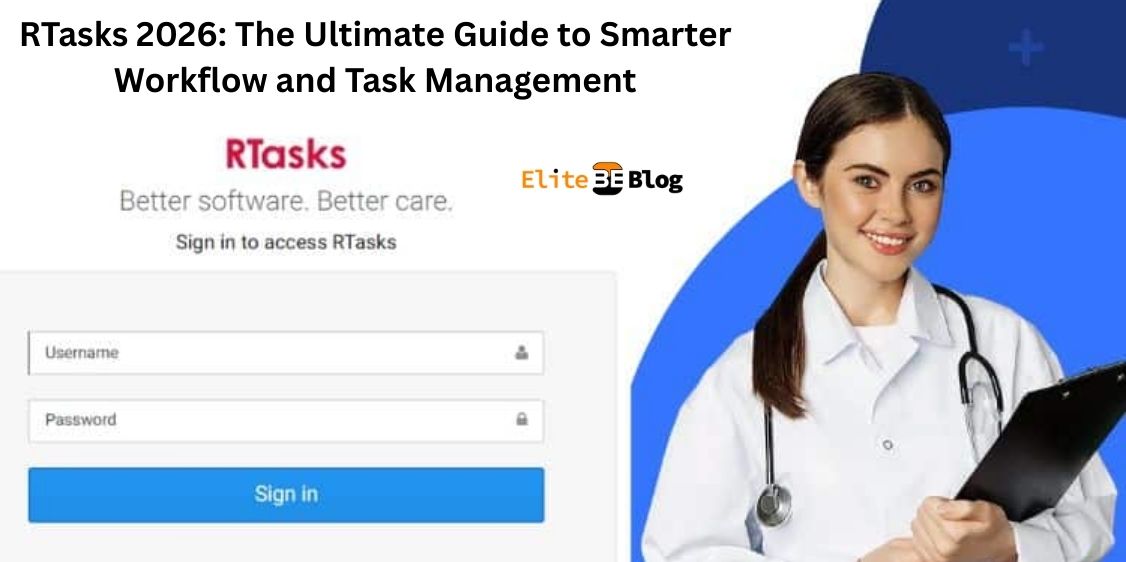
As healthcare and remote work continue to shift toward digital solutions, RTasks has emerged as a game-changing platform for caregivers, nurses, and administrators. Designed to streamline long-term care workflow and improve efficiency, RTasks goes beyond simple task tracking. Its AI-assisted task scheduling, mobile-first task management,
and digital care documentation make daily operations smoother and more accurate. Facilities can monitor resident health with resident wellness dashboards while maintaining compliance with industry standards. Whether you’re managing an assisted living facility or coordinating remote teams, RTask s provides a reliable, secure, and intuitive system to reduce errors, save time, and enhance overall staff productivity.
What is RTasks?
RTasks is a robust platform for digital care documentation and task management across healthcare and remote teams. It allows staff to track duties, update records in real-time, and stay compliant with regulatory standards. The system also provides resident wellness dashboards to monitor health and wellbeing efficiently.
Designed for assisted living facilities and organizations requiring accurate workflow, RTasks bridges gaps between caregivers and administrators. It ensures smoother task handoffs, reduces errors, and makes team communication seamless, helping facilities meet compliance standards while improving resident outcomes.
Overview of RTasks Platform
The RTasks platform includes a user-friendly dashboard, mobile apps, and integration with Electronic Health Records (EHR) platforms. Staff can access schedules, record shift notes and incident reports, and track task completion metrics from any device.
It’s a mobile-first task management system built to function even in low connectivity zones using offline documentation mode. The interface allows caregivers to prioritize tasks, view alerts, and update records on the go, reducing delays and errors.
Core Purpose and Use Cases
RTasks exists to improve caregiver efficiency and workflow consistency. Facilities use it for daily task management, medication tracking through Digital MARs (Medication Administration Records), and compliance reporting.
Remote teams also benefit from real-time alerts and notifications, ensuring work is tracked and completed correctly. This platform is widely used in long-term care workflow and telehealth projects where accurate documentation and task management are critical.
Key Features of RTasks in 2026
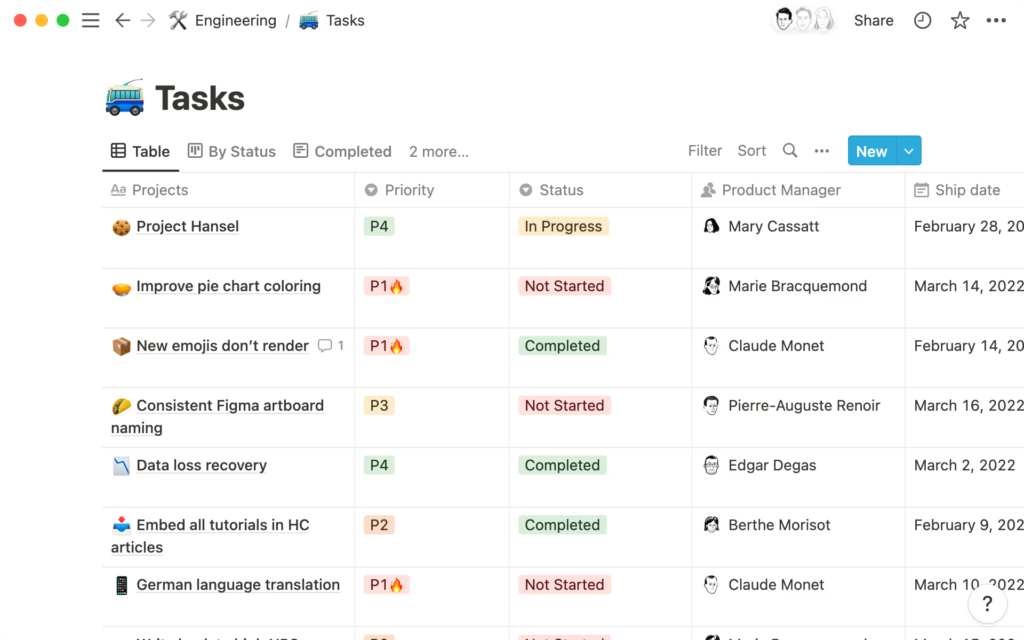
RTasks 2026 introduces advanced features that streamline operations. From AI-assisted task scheduling to integrated analytics, these tools reduce human error, save time, and improve resident care.
The platform now supports voice-to-text documentation, customizable dashboards, and seamless EHR integration, making it a comprehensive care coordination system for modern facilities.
Intelligent Task Scheduling with AI
The AI engine predicts optimal schedules based on staff availability and resident needs. This benefits of AI-powered task scheduling by reducing missed tasks and ensuring care consistency.
It dynamically adjusts assignments, reducing delays and increasing staff productivity and performance tracking. Facilities report fewer errors and smoother workflow with these AI suggestions.
Mobile-First Offline Mode
RTasks allows documentation even without internet access. How to use RTasks offline mode ensures that shift notes and incident reports are saved locally and synced automatically once online.
This is critical for large campuses or rural areas. It guarantees accurate records and prevents lost data, enhancing both caregiver efficiency and compliance.
Voice-to-Text and Digital Documentation
Using voice-to-text documentation, staff can record observations without typing. This feature saves time and ensures detailed digital care documentation.
Natural language processing reduces transcription errors. Caregivers can focus more on residents while RTasks captures all critical details for compliance.
Integration with EHRs and Other Tools
Seamless RTasks integration with popular EHR platforms ensures a single source of truth. Medication changes, lab results, and care plans sync automatically.
Administrators can access real-time insights for healthcare facilities without switching platforms. This improves workflow and reduces the risk of duplication.
Analytics, Reporting, and Resident Wellness Dashboards
RTasks 2026 dashboards display resident wellness dashboards, staff performance, and compliance metrics. Managers can track task completion metrics and operational gaps.
Visual analytics help detect trends in resident health. Facilities use these tools for staffing decisions and operational improvement tools, making care more proactive and efficient.
Benefits of Using RTasks for Healthcare and Remote Work
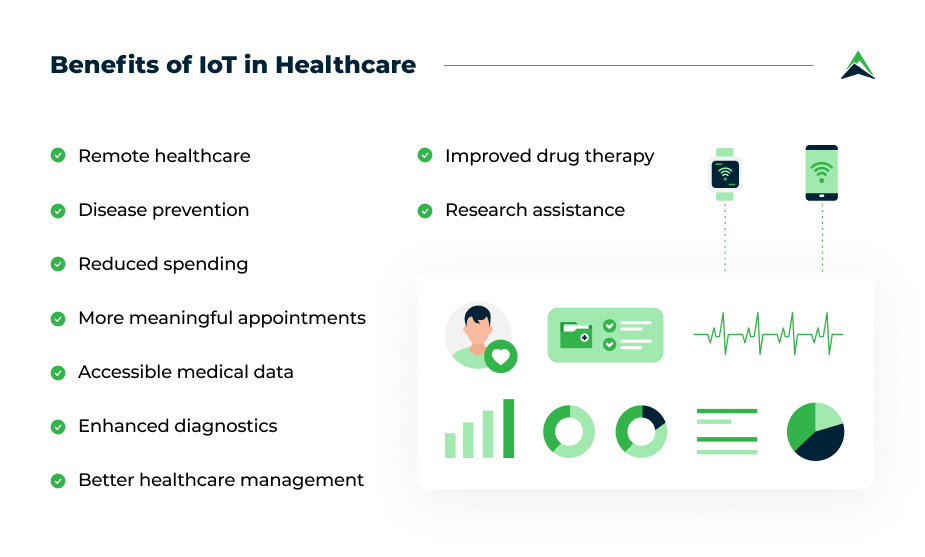
RTask s enhances workflow by automating tasks and centralizing information. How RTasks improves workflow and documentation reduces stress for staff while improving quality.
It supports both assisted living facilities and remote teams. The combination of mobile-first task management, offline mode, and AI-driven insights improves efficiency and resident satisfaction.
Streamlined Workflow and Efficiency Gains
By reducing manual scheduling and repetitive tasks, staff spend more time on patient care. Care coordination system features ensure every duty is tracked accurately.
Teams report faster response times and smoother handoffs. The platform increases caregiver efficiency and lowers burnout by minimizing unnecessary workload.
Enhanced Accuracy and Reduced Errors
Automatic alerts, real-time alerts and notifications, and Digital MARs ensure medications and tasks are executed properly. This improves compliance and reduces mistakes.
Managers can monitor staff productivity and performance tracking, identifying issues before they escalate. The system creates a safer environment for residents and staff alike.
Flexibility for Remote and On-Site Teams
RTasks adapts to mobile and desktop use, giving flexibility for remote and on-site teams. Staff can log in securely via RTasks login with multi-factor authentication (MFA).
Remote caregivers can update tasks instantly, keeping administrators informed. This hybrid access model strengthens workflow consistency across locations.
How RTasks Simplifies Long-Term Care Facility Operations
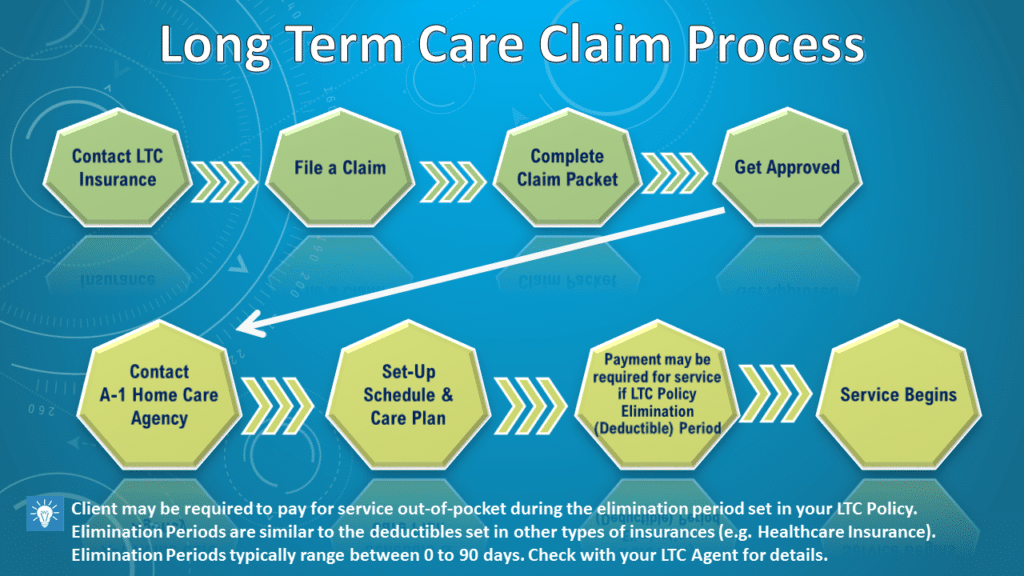
Long-term care facilities face complex challenges. RTask s simplifies operations by centralizing digital care documentation and alerting staff to urgent needs.
The platform reduces missed tasks, improves task completion metrics, and provides actionable insights. This makes care more proactive and less stressful for staff.
Task Management Challenges in Care Facilities
Care facilities often struggle with missed medications, delayed documentation, and staff miscommunication. RTasks addresses these issues with AI-assisted task scheduling and offline documentation mode.
It ensures that even during peak workloads, tasks are tracked and completed. Managers can monitor activity and maintain compliance with regulatory standards.
Real-Life Success Stories and Case Studies
Facilities using RTasks report up to a 30% reduction in missed tasks. One assisted living facility credited RTask s dashboards with improving resident monitoring and team coordination.
Another long-term care center highlighted reduced staff burnout through voice-to-text documentation and mobile-first task management, showing measurable improvements in efficiency.
Resident and Staff Satisfaction Improvements
Residents benefit from timely care and consistent monitoring through resident wellness dashboards. Staff enjoy reduced stress and smoother workflows.
The combination of AI, mobile access, and care coordination system tools results in happier teams and better outcomes, strengthening the overall facility reputation.
RTasks Pricing, Plans, and Implementation
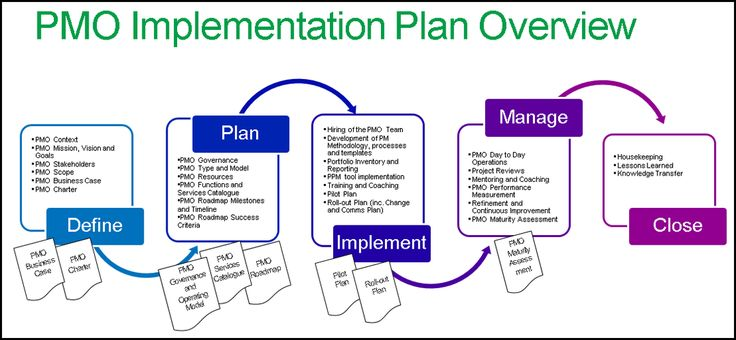
RTask s pricing varies by plan, features, and facility size. RTasks 2025 and 2026 users can select subscription tiers to access advanced modules and analytics.
Administrators gain flexibility to implement according to steps to access advanced RTasks features, optimizing ROI and enhancing workflow efficiency.
Subscription Options and Cost Analysis
Plans include basic, professional, and enterprise tiers. Higher tiers unlock analytics, reporting dashboards, and EHR integration.
Costs depend on facility size, staff count, and modules needed. A simple table can help compare features and pricing clearly:
| Plan Type | Key Features | Approx. Cost (Monthly) |
|---|---|---|
| Basic | Task logging, offline mode | $50 per user |
| Professional | AI scheduling, voice-to-text, dashboards | $80 per user |
| Enterprise | Full analytics, EHR integration | $120 per user |
Steps to Implement RTasks Successfully
Implementation involves onboarding, training, and integration. Admins can configure resident wellness dashboards and digital care documentation modules.
Step-by-step guides and support reduce disruption. Clear planning ensures staff adopt mobile-first task management efficiently.
Overcoming Common Implementation Challenges
Challenges include staff resistance and tech learning curves. Offering training, pairing with experienced staff, and using real-time alerts and notifications helps adoption.
Continuous support and monitoring ensure compliance with regulatory standards and maximize operational improvement tools.
Optimizing Your Workflow with RTasks
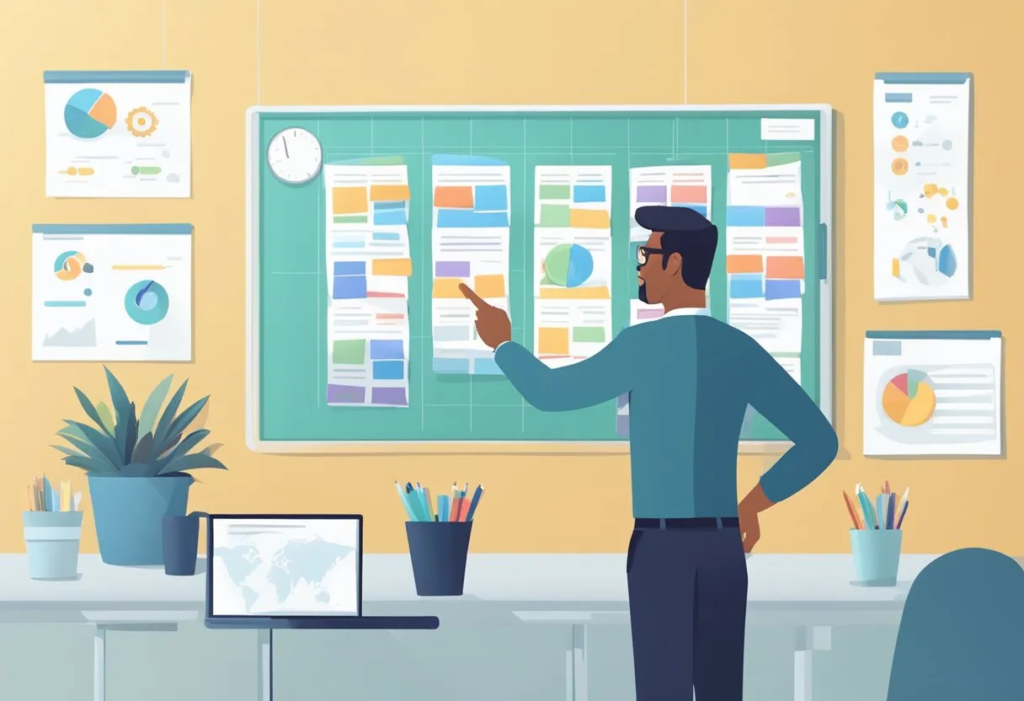
Efficiency improves when staff follow best practices for care documentation and leverage automation. RTasks tracks tasks, alerts staff, and reduces manual errors.
Integration with Electronic Health Records (EHR) platforms ensures data accuracy and reduces double entry. This leads to measurable improvements in productivity.
Best Practices for Task Documentation
Standardizing entries, using voice-to-text documentation, and reviewing shift notes and incident reports regularly improves workflow.
Staff can quickly find information while maintaining compliance and regulatory standards.
Integrating RTasks with Other Software
RTask s integrates with payroll, HR, and analytics tools. Syncing data reduces redundant work and improves team efficiency.
This ensures real-time insights for healthcare facilities and smooth operations across departments.
Tips for Maximizing Productivity
Prioritize tasks, use AI-assisted task scheduling, and monitor completion rates. Encourage staff to use dashboards for resident wellness insights.
Optimizing workflows ensures both staff satisfaction and better care outcomes.
Comparing RTasks to Alternatives
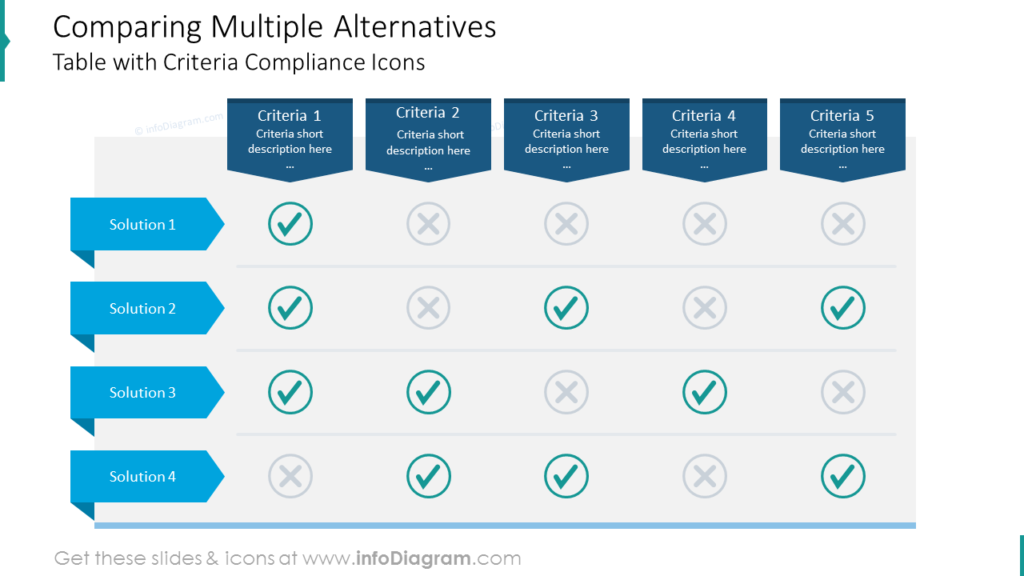
RTask s stands out with AI, mobile-first access, and analytics. Competitors often lack seamless EHR integration or offline documentation mode.
The platform supports hybrid care models, remote teams, and complex long-term care workflow, giving it a competitive edge in healthcare and remote work.
Competitive Advantages of RTasks
Features like multi-factor authentication (MFA), Digital MARs, and real-time alerts and notifications create safer and more efficient environments.
Administrators can monitor staff and resident outcomes with actionable dashboards and predictive insights.
How It Stands Against Other Remote Task Platforms
Unlike other platforms, RTask s combines healthcare compliance with flexible task management. Remote workers and assisted living facilities benefit equally.
It offers better task completion metrics, analytics, and care coordination system support than generic task apps.
RTASKS for Online Work and Remote Tasks
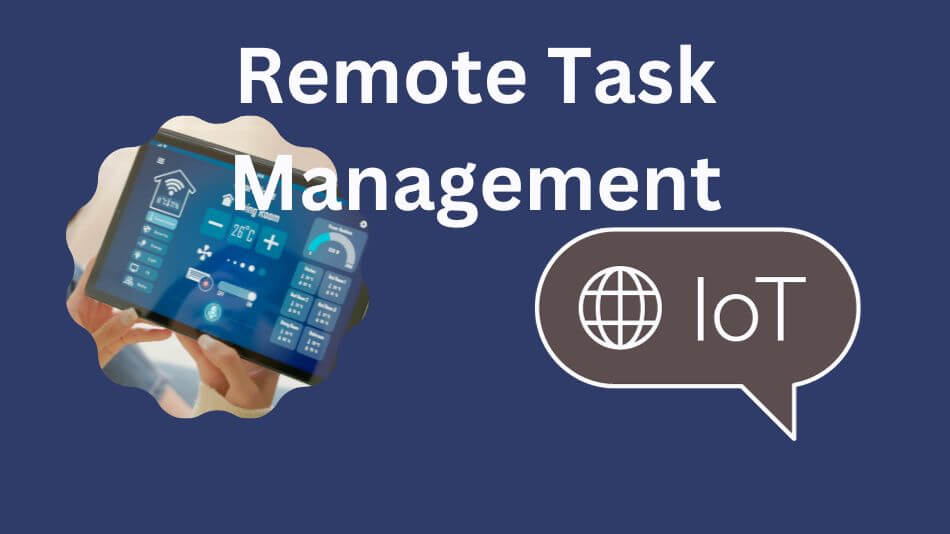
RTasks supports online tasks like data entry, surveys, and AI training. It improves accuracy and staff productivity even in distributed teams.
Remote workers can track progress, receive notifications, and log tasks efficiently, making RTasks ideal beyond healthcare.
Types of Online Tasks (Data Entry, AI Training, Surveys, etc.)
Data entry, content verification, AI dataset training, and surveys are all supported. Each task type benefits from RTask s’ tracking and alert system.
This ensures timely completion, reducing errors and increasing caregiver efficiency.
Best Platforms Supporting RTASKS
RTasks works alongside Clickworker, Appen, and other platforms. Integration simplifies workflow and allows centralized tracking.
This reduces duplicate work while improving long-term care workflow and operational transparency.
Skills Required and Earning Potential
Tasks require basic computer skills, attention to detail, and familiarity with voice-to-text documentation. Earnings vary by task complexity and volume.
Using dashboards and notifications helps workers stay on schedule and maximize output.
Common Challenges and How to Overcome Them
Beginners may struggle with low pay or approval delays. Monitoring task completion metrics and staying consistent improves performance.
Competition can be high. RTasks helps by sending real-time alerts and notifications and providing training on best practices for care documentation.
Low Pay for Beginners and Task Approval Issues
Focus on high-paying tasks, improve accuracy, and use system dashboards to track progress. This increases acceptance rates and efficiency.
Even small improvements in workflow using RTasks yield measurable benefits.
Task Availability and Competition
Tasks fluctuate; RTasks notifications help staff find open tasks quickly. Time management ensures consistent work.
Prioritize tasks and use AI scheduling to maximize efficiency.
Maintaining Accuracy and Consistency
Follow compliance and regulatory standards, double-check entries, and leverage digital care documentation.
Consistency reduces errors and improves overall facility performance.
Future Developments and Expert Insights
RTasks will continue evolving with predictive analytics, AI, and advanced dashboards. Benefits of AI-powered task scheduling will expand, further reducing errors and boosting efficiency.
Hybrid care models and remote management solutions are the next focus, making RTask s even more valuable for healthcare and remote teams.
AI Enhancements and Automation Trends
Automation will handle repetitive tasks, freeing caregivers to focus on residents. Predictive insights will anticipate needs before issues arise.
Facilities adopting these trends will gain measurable improvements in staff productivity and performance tracking.
Predictions for Workflow Management Platforms
Experts predict greater AI adoption, mobile optimization, and seamless EHR integration across platforms.
Organizations that embrace these tools early will lead in efficiency, compliance, and resident satisfaction.
Conclusion: Why RTasks is a Must-Have Tool in 2026
RTasks 2026 is more than a task manager. It’s a care coordination system designed for assisted living facilities, long-term care workflow, and remote teams.
With AI-assisted task scheduling, resident wellness dashboards, and digital care documentation, it improves accuracy, reduces staff burnout, and enhances resident outcomes. Every healthcare administrator and caregiver should consider implementing RTask s in 2026.
Must Read The Article: Shawty Bae Age: Biography, Net Worth, Career, and Complete Life Story
(FAQs) About RTasks
Q1: How secure is RTasks login?
RTasks login uses multi-factor authentication (MFA) and HIPAA-compliant protocols to keep data safe.
Q2: Can I use RTasks offline?
Yes, the offline documentation mode lets you update tasks without internet; data syncs automatically.
Q3: Does RTasks integrate with EHRs?
Yes, it integrates with major EHR platforms like PointClickCare and MatrixCare for seamless workflow.
Q4: What devices support RTasks 2026?
RTasks works on desktops, tablets, and smartphones (iOS and Android), optimized for mobile-first task management.
Q5: How do I access advanced RTasks features?
Log into your RTasks dashboard, navigate to Settings, and enable modules according to your role or admin permissions.
Related Topics: